



Description
A Living, Pulsing Flower for Your Aquarium
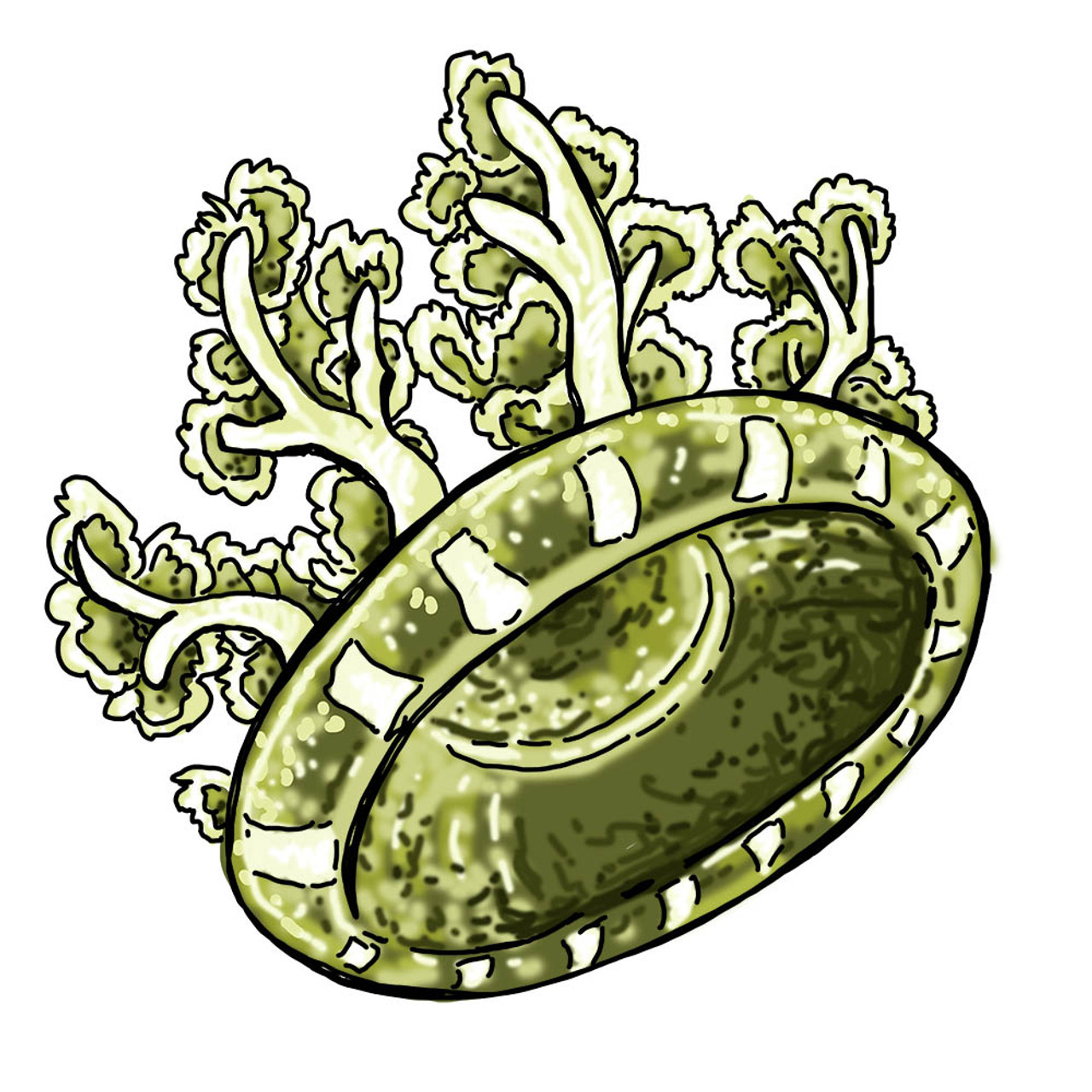
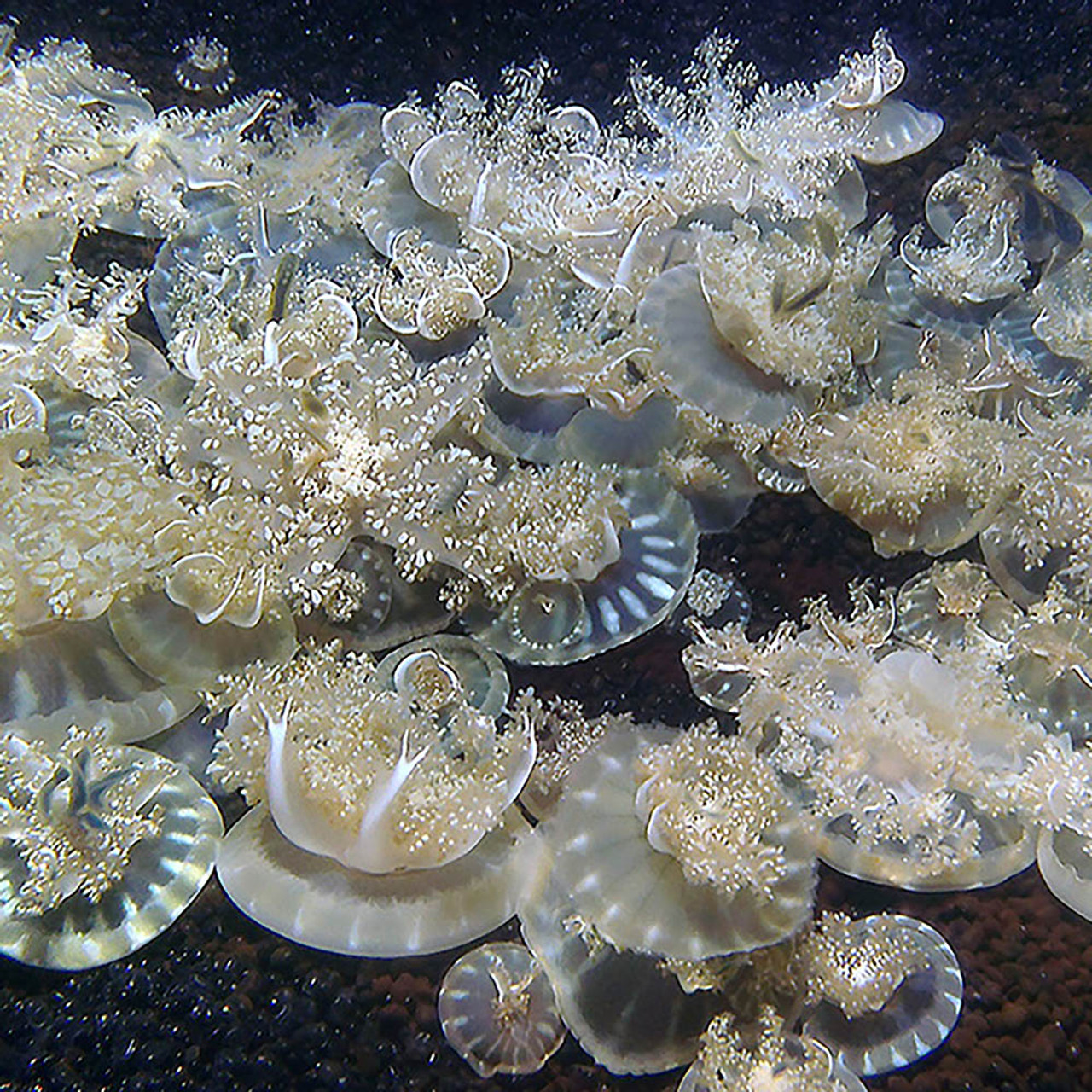
Challenge everything you think you know about jellyfish with the mesmerizing Upside-Down Jellyfish. Unlike its free-floating relatives, this incredible species has evolved a lifestyle more like a coral or an anemone. It settles on the sandbed, bell-down and tentacles-up, creating a living, pulsing display that resembles an ornate flower.
This unique orientation serves a critical purpose: the Cassiopea jellyfish is photosynthetic. It hosts symbiotic zooxanthellae algae within its tissues, which convert light into energy. By exposing its frilly tentacles to the light, it cultivates its own food source. The gentle, rhythmic pulsing of its bell is not only hypnotic to watch but also serves to circulate water, bringing in supplemental food. For a truly unique, beautiful, and relatively peaceful invertebrate, the Upside-Down Jellyfish turns the concept of a marine aquarium on its head.
Why the Upside-Down Jellyfish is So Unique:
- Photosynthetic Animal: Like many corals, it derives a significant portion of its nutrition from light, making it a fascinating display of symbiotic biology.
- Mesmerizing Pulsing Motion: The slow, rhythmic contractions of its bell are incredibly relaxing and create a constant, gentle motion in your tank.
- Unique "Flower" Appearance: Its ornate, snowflake-like tentacles and stationary nature make it a living piece of art for the sandbed.
- Perfect for Low-Flow Tanks: It thrives in the gentle water movement that many other popular marine animals cannot, making it ideal for species-specific or lagoon-style biotopes.
Care & Specifications
The Upside-Down Jellyfish has very specific requirements that differ from a typical reef aquarium. Success depends on providing a low-flow environment with appropriate lighting and feeding.
Tank Requirements:
- Minimum Tank Size: 10 Gallons.
- Flow: Low Flow is Essential. This is the most critical requirement. Strong or even moderate water movement from powerheads will prevent the jellyfish from settling and can quickly kill it. Use only gentle filtration (like a sponge filter or a baffled filter outlet).
- Substrate: A soft, fine sand bed of at least 1-2 inches is mandatory. They will not thrive on bare-bottom or coarse gravel substrates.
- Aquascape: An open, uncluttered sandbed is preferred.
Lighting & Feeding: While photosynthetic, they are not self-sufficient and must be fed to survive long-term.
- Lighting: Moderate lighting is ideal. Provide lighting similar to what you would for soft corals (LPS/Softies PAR levels are a good target).
- Diet: Planktonivore.
- Recommended Foods: They require regular feeding with microscopic foods. Live baby brine shrimp, rotifers, and specialized liquid jellyfish food or coral plankton formulas are all excellent choices.
- Feeding Method: Turn off all flow and gently target feed by releasing a cloud of food just above the jellyfish's tentacles. Feed at least 3-4 times per week.
Water Parameters:
-
Temperature: 74−80°F (23−26.5°C)
-
Specific Gravity: 1.023−1.025
-
pH: 8.1−8.4
-
Ammonia, Nitrite: 0 ppm
-
Nitrate: < 10 ppm
Compatibility & Handling: Due to their specific needs and delicate nature, Upside-Down Jellyfish are best kept in a species-only tank.
- Temperament: Peaceful, but can release stinging cells.
- Compatibility: They can be harmed or disturbed by almost all crabs, shrimp, and bottom-sifting fish. They should not be kept with corals, as the stinging cells (nematocysts) they release into the water can cause irritation.
- Handling: The sting is typically mild, often causing only minor skin irritation, but handle with care. Use a specimen container or a cup to move them; never use a net, as it will tear their delicate tissue.
Acclimation: IMPORTANT: Upside-Down Jellyfish are very sensitive. Slow drip acclimation over a period of 60 minutes is the best method to ensure a smooth transition to your aquarium.


